
With the rising popularity of online shopping and expanding shopper base, competition among merchants has grown fiercer than ever. Everything from product functionality to exterior packaging design has become a critical factor in winning over customers. Since consumers can only learn about products through listing images on online stores, brands face mounting challenges when it comes to standing out from competitors. Product packaging design has therefore evolved into a core asset for drawing buyers and boosting brand competitiveness. For this reason, leveraging e-commerce packaging to build a distinctive brand aesthetic, refine unboxing journeys and deliver one-of-a-kind shopping experiences to customers is of paramount importance.
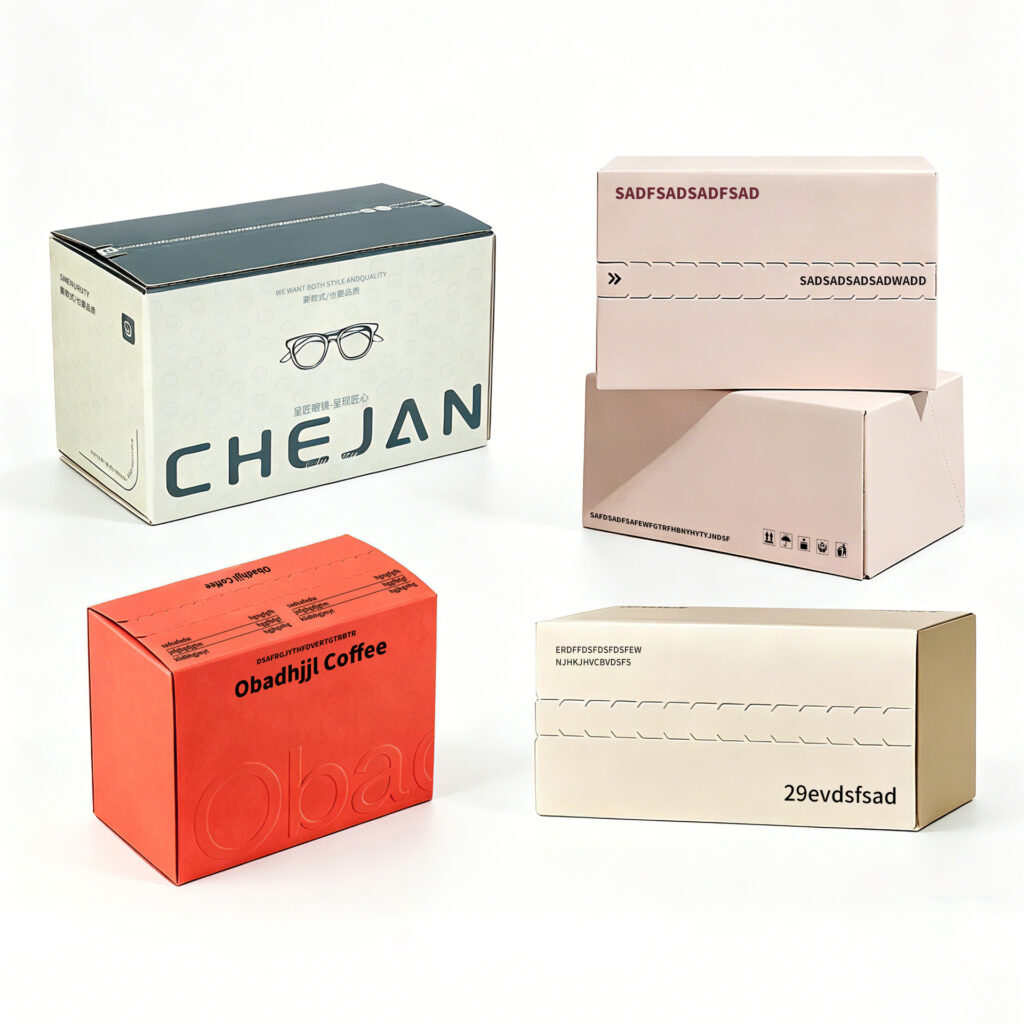
Online marketplaces cater to highly diverse consumer groups, and each platform typically boasts its own core demographic. Platforms dominated by young female shoppers see outstanding reception for beauty gift boxes finished with macaron palettes—soft pink, lavender, mint green and similar hues create a sweet, dreamy vibe that instantly captures this audience’s attention. By contrast, marketplaces targeting high-end business professionals selling premium electronic gadgets benefit from gift boxes in restrained, sophisticated tones such as black, grey and silver, which accentuate the tech-driven, premium nature of the merchandise. By accurately analyzing target audience preferences and tactically applying color psychology, gift box designs can instantly grab consumers’ attention at first sight.
Beyond primary customer demographics, special holidays and eco-conscious values also serve as core themes for themed packaging design. Packaging acts as the most direct medium through which brands communicate their core values to consumers. Before kicking off any e-commerce packaging design project, brands must master key fundamentals to lay a solid foundation for outstanding customer experiences.
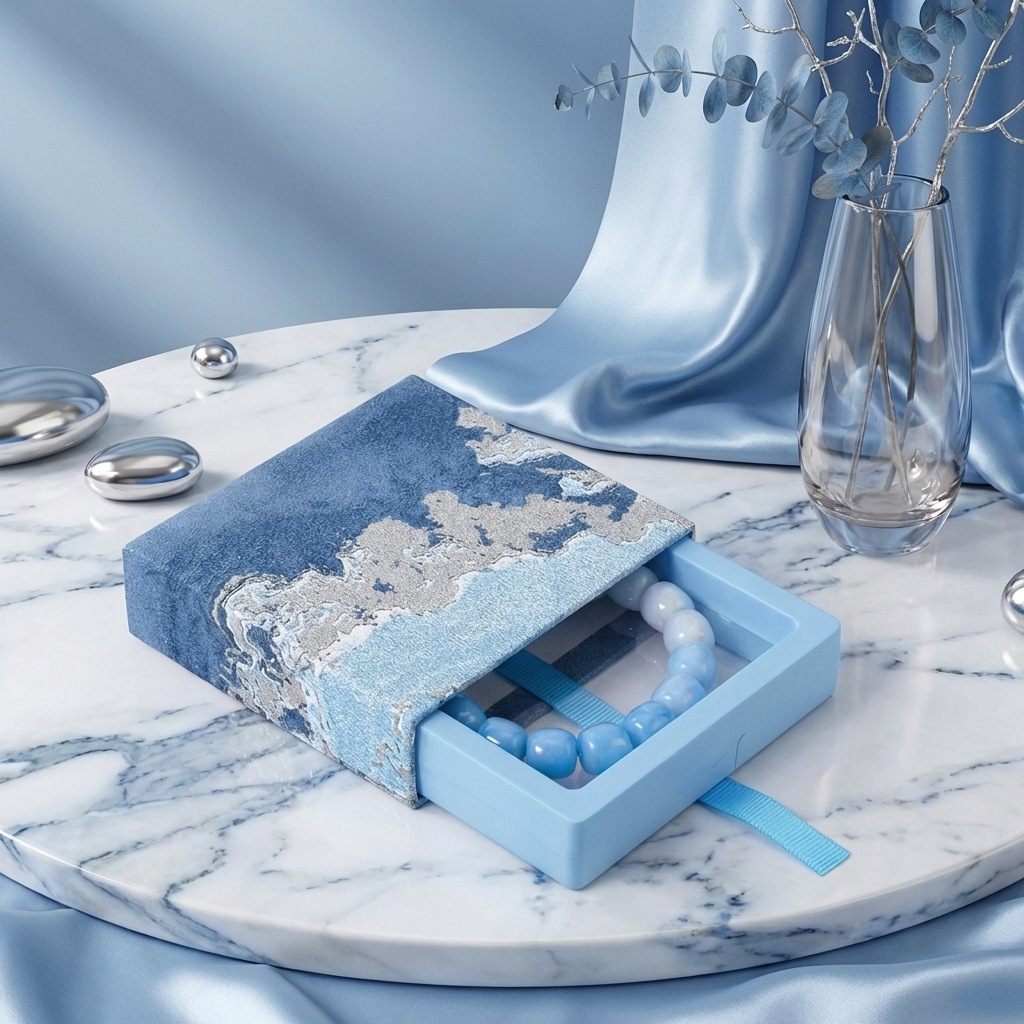
Basic Knowledge of E-Commerce Packaging
E-commerce packaging fulfills three primary functions: safeguarding products, cutting logistics expenses, and building brand identity through memorable unboxing experiences. First impressions carry immense weight. While shoppers first encounter your goods on digital screens, the physical unboxing moment is what truly secures customer loyalty—this experience delivers the most genuine first impression of your brand, and merchants are tasked with meeting, or even exceeding, customer expectations.
Custom packaging enables brands to craft a unique identity and resonate with buyers. However, seamless alignment between packaging, products and brand tone hinges on thorough research and strategic planning.
If you are developing your first exclusive e-commerce packaging line, the following considerations will help you select the optimal solution. Finalizing any design requires comprehensive evaluation of the factors below:
Budget Planning
Set your budget based on the added value packaging brings to your products. Packaging elevates merchandise via protection, branding and visual enhancement, driving greater brand visibility and sales volume.
Sales Volume & Profit Margins
Forecast periodic sales and calculate the profit margin available to allocate toward packaging.
Market & Competitor Research
Clarify your target customer profile and analyze packaging solutions adopted by industry rivals.
Drawing on the above insights, you can outline a holistic roadmap covering packaging, design and logistics to make well-rounded, sensible decisions. After completing preliminary research, map out how your product will sit inside the box—this step directly determines the overall box structure.
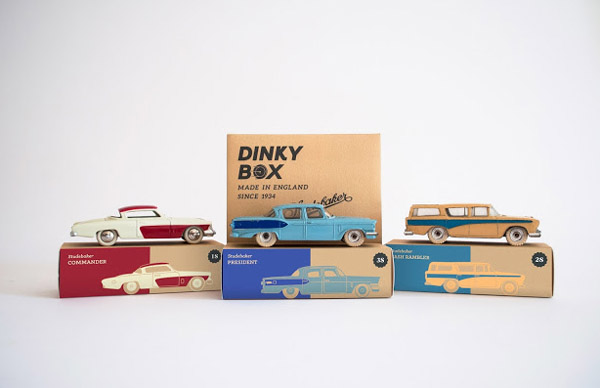
For example, beauty product packaging is often engineered to fully showcase item size, shape and color without fully opening the box. Box dimensions are determined based on product placement and internal space occupation. We recommend compact, streamlined packaging designs that minimize outer box volume and weight. Structural designers can optimize layouts to limit product shifting inside boxes, improve stability and reduce the risk of transit damage from the source.
Design standards for product boxes vary widely across industries and individual product lines. This article summarizes the core principles of product packaging design. Given the length of the content, we have split our discussion into two installments. We will soon publish a follow-up post diving into practical implementation details including packaging materials, box styles, printing finishes and internal insert layouts.
Thank you for reading. We hope this guide offers valuable references for your product packaging design projects.
Taiwei Packaging is a professional packaging manufacturer integrating design, production and sales. With over 30 years of industry experience, we specialize in delivering tailored packaging solutions for small and medium-sized enterprises worldwide.
Our product range covers various packaging boxes for food, cosmetics, daily necessities, high-end luxury goods and more. Adhering to the philosophy of Quality First, Service Supreme, we rely on strict quality control and robust production capabilities to provide reliable packaging solutions for global clients.