
For thousands of years, humans have continuously explored and refined food preservation methods. It was not until the invention and widespread use of modern freezing technology that food preservation achieved remarkable improvements, benefiting more people and meeting daily dietary needs.
Three key elements are essential for food preservation: well-designed packaging, timely transportation and a complete cold chain system. Starting with common food preservation practices in everyday households, we will address frequently encountered issues and share practical tips for keeping food fresh.
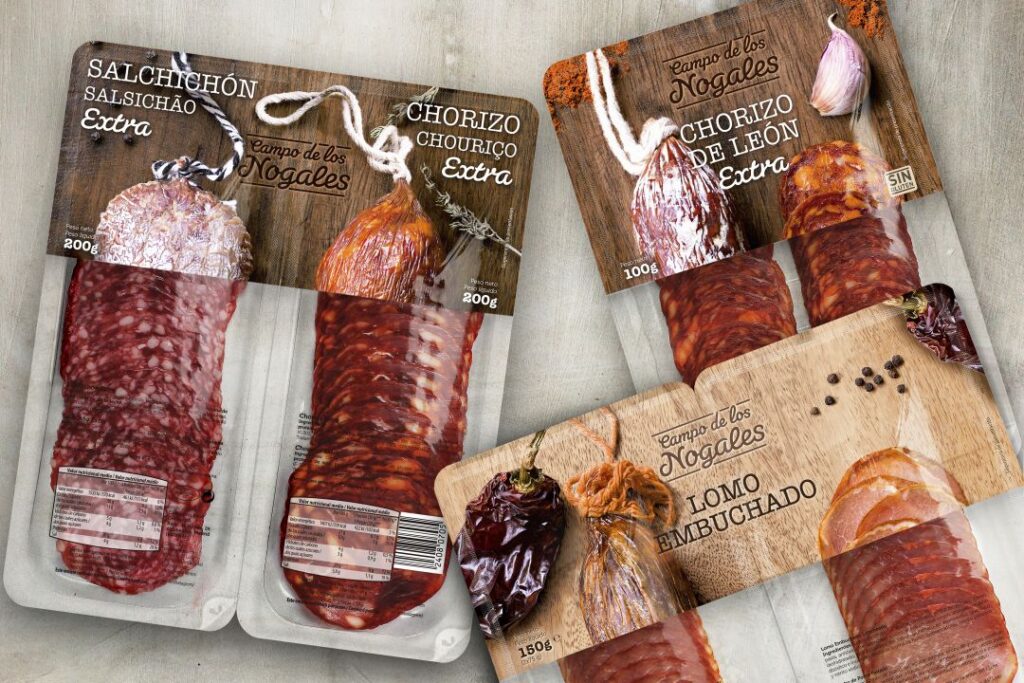
Q1: Why do frozen food packages require special materials?
Frozen food Verpackung must feature low-temperature resistance, moisture and oxygen barrier properties, and frost damage prevention, while preserving the flavor, texture and appearance of products.
Q2: What are the differences between food-grade Polyethylene (PE) and Polyethylene Terephthalate (PET) for frozen storage?
Polyethylene is flexible and resistant to cracking at low temperatures, making it ideal for packaging bulky meat products. PET delivers superior oxygen barrier performance and high gloss, keeping frozen fruits bright in color. Most brands adopt composite materials of the two to combine durability with a premium shelf appearance.
Q3: Are eco-friendly frozen food packages safe for microwave or oven heating?
Not all eco-materials can withstand high temperatures. Ordinary compostable coatings tend to degrade under heat. Opt for FSC-certified rigid paperboard or molded fiber marked for high-temperature use, and check the material’s heat deflection temperature to guarantee food safety during heating.
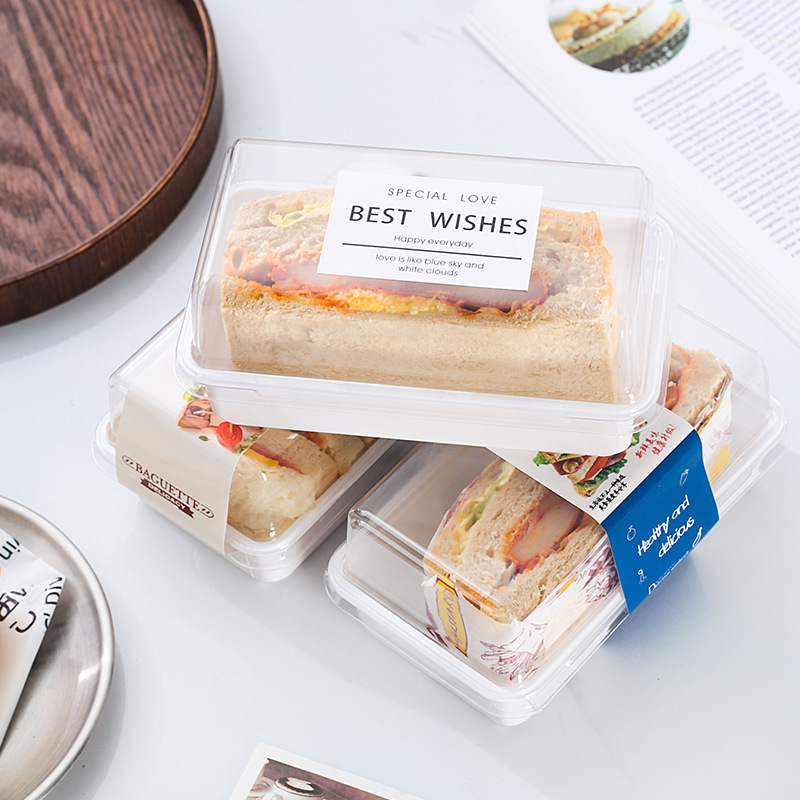
Q4: How to prevent ice crystal formation inside packages?
Ice crystals form due to residual air inside packages when temperature fluctuates. Vacuum packaging and skin packaging eliminate air gaps to avoid frost buildup. Tight sealing is the most effective way to retain products’ texture and appearance.
Q5: What is the standard lead time and Minimum Order Quantity (MOQ) for custom frozen food packaging?
The regular lead time is 2 to 4 weeks, subject to printing complexity. Most professional manufacturers now support small-batch orders, helping brands test new products and cut inventory costs. Taiwei Packaging can quickly provide customized high-barrier packaging solutions for you.
Summary
Frozen food packaging is far more than just protection — it safeguards product flavor, quality and consumer trust. As mentioned above, proper materials, sealing techniques and design are essential for products to withstand harsh cold chain conditions.
Going forward, the industry will evolve toward eco-friendliness and high barrier performance, with monomaterial solutions and compostable films emerging as key trends. Balancing food safety and environmental responsibility helps brands stay competitive, gain consumer confidence and thrive in the frozen food market.