
In our previous article, we discussed the core functions of e-commerce packaging boxes, namely product protection, shipping cost control, and unboxing experience. We also shared packaging exterior design references that take into account product characteristics as well as seasonal holidays, occupations, color schemes, target consumer groups and other influencing factors. Moving forward, we will dive deeper into the practical challenges most online merchants commonly encounter when collaborating with us on e-commerce packaging design and production. We will also cover mainstream packaging styles, materials, printing processes, and internal box layouts.
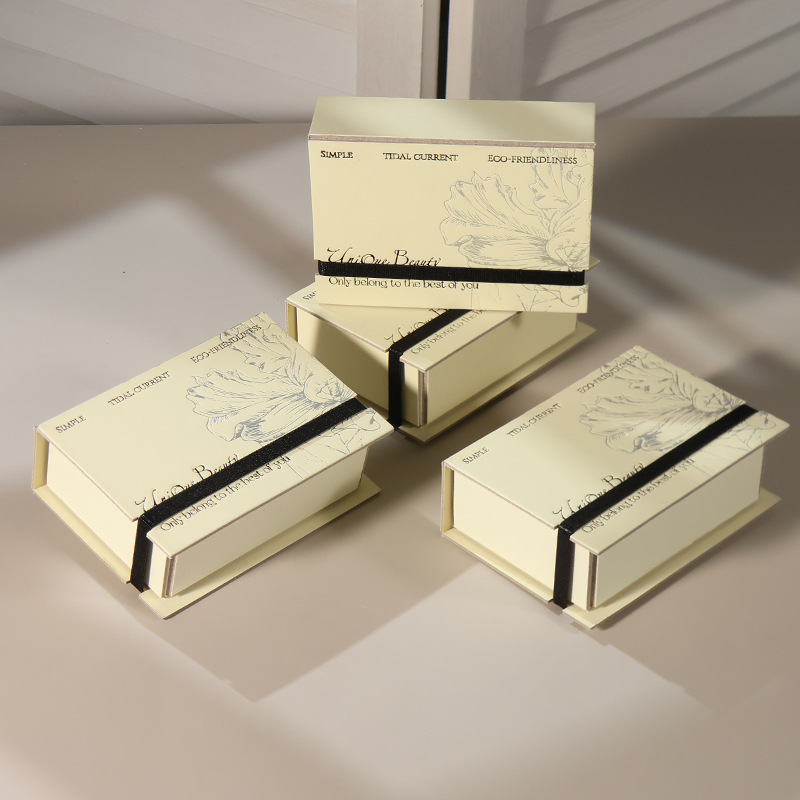
Mainstream Styles of E-Commerce Packaging
Once the material and thickness are confirmed, box structures can be selected based on product attributes. Large and heavy goods require heavy-duty packaging to withstand bumps and collisions during transit. Below are the most cost-effective and widely used emballage e-commerce styles:
1.Lock-Style Rolled Edge Corrugated Shipping Box
Boasting tight sealing, rigid structure and easy opening, this is the most prevalent packaging style for e-commerce thanks to its durability and satisfying unboxing experience. Corrugated substrates support a full range of printing and surface finishing techniques, helping brands build closer connections with customers.
2.Standard Slotted Corrugated Box
The most basic shipping box variant, ideal for large and heavy shipments with robust load-bearing capacity. It requires manual tape sealing for assembly, featuring simple operation and high packing efficiency.
3.Rolled Edge Flip-Top Corrugated Shipping Box
It involves no complicated assembly steps and features smooth lid opening and closing, with built-in locking tabs for secure closure. Suitable for product catalogs, apparel, gifts, electronic devices, health supplies, cosmetics and small hardware parts.
4.Flexible Mailing Bags
Commonly made of low-density polyethylene (LDPE) or paper, this category includes Amazon poly mailers, FedEx document pouches and thick bubble mailers.
Lightweight and highly versatile, mailing bags are the top choice for light and medium-weight items, yet they have limited load capacity and cannot deliver sufficient protection for heavy goods. Their advantages lie in cost efficiency, tear resistance and waterproof performance for most variants. Equipped with self-adhesive strips for effortless sealing, they are split into plain flat pouches and thick bubble-lined bags for streamlined packing.
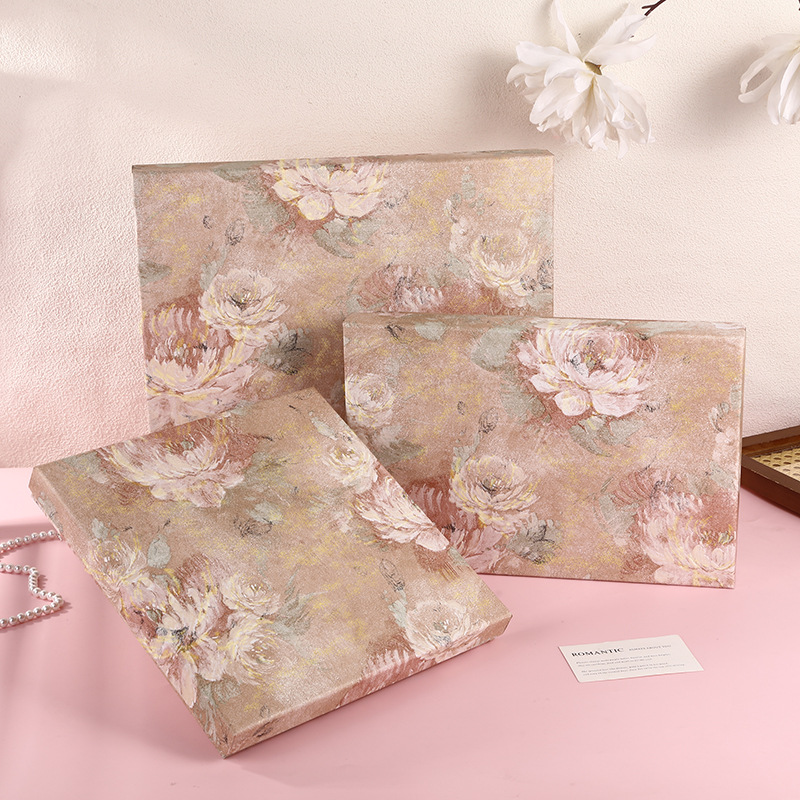
In-Depth Breakdown of E-Commerce Packaging Materials
After defining packaging purposes and drafting design plans, production materials can be finalized. Corrugated shipping boxes and bubble mailing bags remain the two dominant packaging materials across the e-commerce industry. Corrugated packaging is our primary recommendation: manufactured from recycled materials, it delivers outstanding shock protection with an extensive selection of shapes, sizes and thicknesses compatible with nearly all product categories.
- Face Paper Grades (Matching Graphic & Brand Design Needs)
Virgin White Card: Compatible with digital printing and offset printing, perfect for full-color large-format graphics.
Bleached White Card: Supports digital printing only, delivering superior color rendering with visual effects comparable to offset printing.
Kraft Card: Works with both digital and offset printing, featuring a natural retro eco-friendly texture. Black printing yields optimal results without extra lamination. - Corrugated Flute Thickness Grades (Selected Based on Product Weight & Box Dimensions)
Manufacturers generally recommend flute thickness according to item weight and box measurements. The mainstream specifications and applicable scenarios are as follows:
E Flute: Average thickness of 1.2 mm, suited for digital gadgets, retail goods, cosmetics, food and similar products.
B Flute: Average thickness of 3.0 mm. Prioritized for boxes with total length, width and height exceeding 570 mm, ideal for footwear, industrial goods, furniture and other large, heavy merchandise.
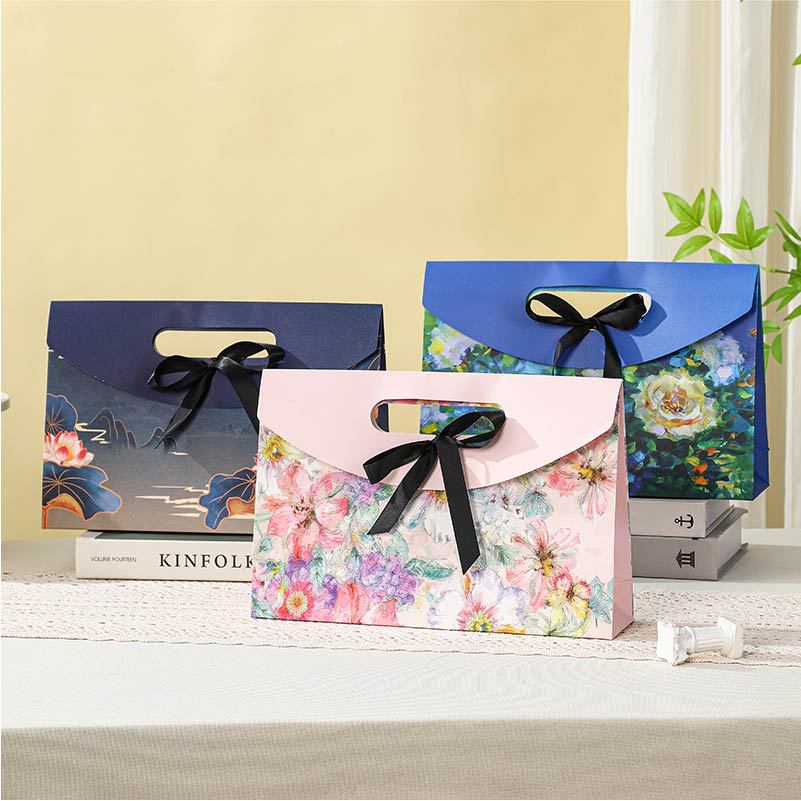
E-Commerce Packaging Printing Processes
Print quality directly shapes the overall visual appeal of packaging. While box dimensions and structures exist to hold products, printed designs are what resonate with consumers. Crisp, concise printed information serves as the bridge fostering emotional bonds between brands and buyers.
Given the harsh transit conditions e-commerce parcels endure, exterior box prints are prone to abrasion. For this reason, intricate artwork printing on outer cartons is discouraged industry-wide; internal box printing or custom inserts (detailed below) are widely adopted alternatives. Two primary printing methods apply to corrugated cardboard: digital printing and offset printing.
- Digital Printing
Graphics and text stored on computers or storage devices are transferred directly onto packaging substrates via printing equipment, operating on the same principle as household and office printers.
Advantages: No printing plates or cutting dies required, lower costs for small-batch orders and faster lead times.
Application Scenarios: The preferred option if exterior box printing is necessary. To mitigate wear risks and control expenses, simplified graphic designs are advised—excess fine patterns and multi-color layers will result in blurry, low-quality prints.
Core Positioning: Top pick for small-batch orders balancing lead time and cost. - Offset Lithography
Printing workflow: Ink is first transferred from the printing plate to a rubber blanket cylinder, then onto paper substrates. Widely used for newspapers, brochures, stationery, magazines and high-volume luxury gift box production.
Characteristics: High upfront plate-making costs, yet delivers premium print resolution and precise color matching.
Application Scenarios: Large-batch orders; best deployed for inner box and insert printing to showcase vivid color effects.
Additional Finishing Options: Supports PMS spot color printing, matte/gloss lamination, spot UV coating, hot stamping (gold/silver), embossing and debossing, and other high-end decorative techniques.
E-Commerce Packaging Inserts & Auxiliary Accessories
Custom protective inserts and marketing flyers can be paired with emballage e-commerce to boost overall value.
- Packaging Inserts
Functions: Stabilize products, enhance shock resistance and elevate the unboxing experience. Merchants with small-batch demands may use standard-sized boxes paired with low-cost custom accessories such as ribbons, labels, sleeves and tailored inserts.
Functional Separating & Protective Inserts: Cardboard and foam inserts separate individual products to prevent shifting and collision during shipping, available in foam, plastic and rigid paperboard materials.
Premium Experience Value: High-end inserts upgrade unboxing aesthetics and strengthen brand image. - Promotional Inserts
A low-cost marketing tool that boosts brand awareness, customer loyalty and product sales. Handwritten notes, cross-sell recommendations and thank-you cards convey brand values while enriching the unboxing journey, encouraging repeat engagement and deepening emotional connections between brands and consumers.
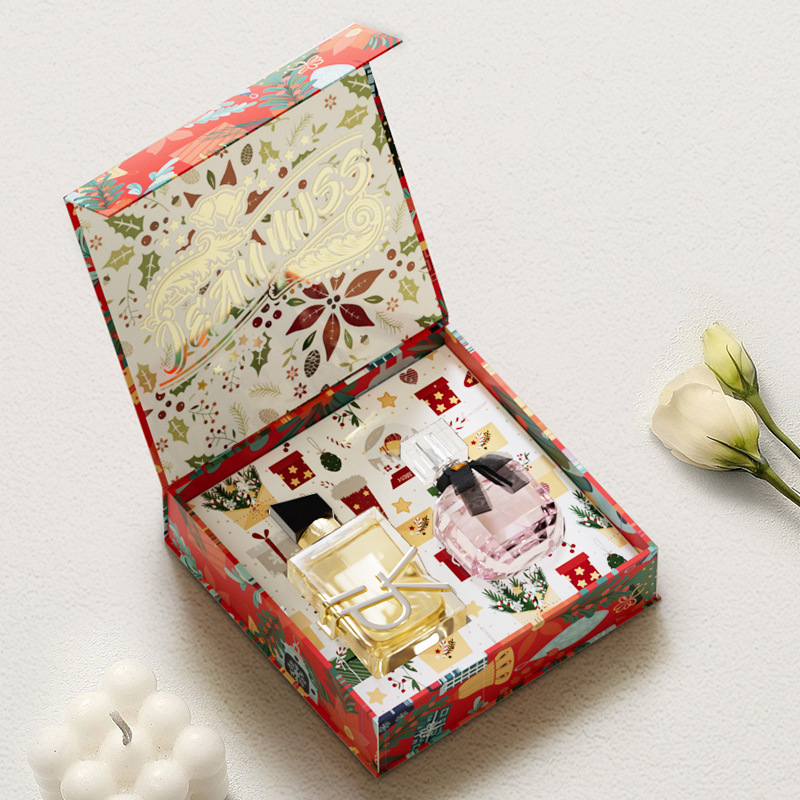
Graphic & Text Design Guidelines for E-Commerce Packaging
Printed graphics and text form consumers’ first visual impression of packaging. The following design pointers help brands connect more closely with their audience:
Personalized Copy: Elaborate fonts and complex patterns are unnecessary. Thoughtfully crafted copy aligned with brand tone speaks directly to customers and builds brand identity recognition.
Brand Color Palette: Custom printed packaging allows unlimited color printing at no extra cost. We recommend full adoption of official brand colors to unify brand visuals. Combined with color psychology, select color schemes that evoke target emotions matching your core customer demographics.
Brand Logo: Logos should be prominently displayed on both outer and inner boxes to reinforce brand recall and drive repeat purchases.
From our extensive experience producing custom product packaging boxes, demand for tailored packaging design among e-commerce sellers continues to surge. This trend reflects merchants’ deeper understanding of their products and customer bases, paired with sharp market insight. Collaborating with these online entrepreneurs has exposed us to countless creative, practical packaging concepts, enabling us to manufacture numerous highly satisfactory packaging solutions for our clients. We appreciate all your hard work. As your trusted partner, Emballage Taiwei remains committed to delivering premium custom packaging solutions that meet evolving market standards.