
Varnish is a widely used material for упаковка для еды. Thanks to its excellent gloss and transparency, it is extensively applied to packaging for all kinds of food products. Its main components include fatty acid glycerides, polyester resins and vinyl acetate copolymers. Among them, fatty acid glycerides act as the primary ingredient, accounting for more than 60% of the total composition.
Varnish can be applied onto упаковка для еды surfaces by spraying, film laminating and other methods, serving both protective and decorative purposes. As a food-contact packaging material, its safety has drawn widespread public attention. Under normal usage conditions, the ingredients of varnish will neither chemically react with food nor migrate into food. To date, no obvious health hazards linked to varnish have been found.
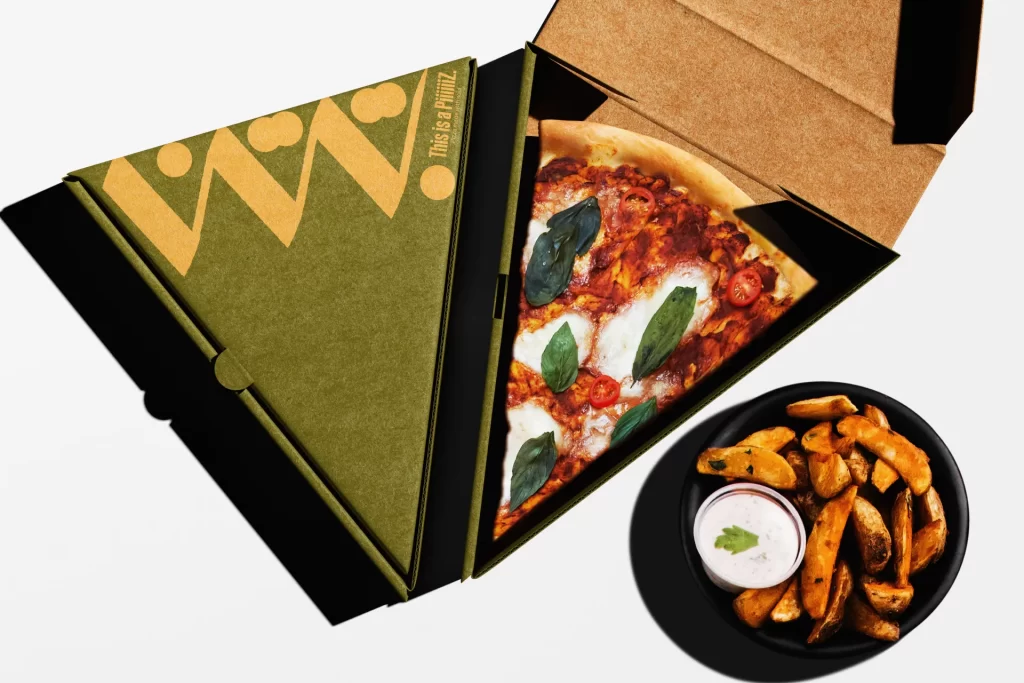
Basic Introduction to Paperboard Varnish
Paperboard varnish is a transparent or glossy liquid coating applied to paperboard substrates. It is generally composed of film-forming resins, solvents or water, and various functional additives. After coating and curing, it forms a continuous, dense protective film on the paperboard surface. This coating does not merely improve visual appearance; it also enhances physical properties and exerts a profound influence on subsequent recycling processes.
Classification of Paperboard Varnish
Paperboard varnish is not a single-component substance. It can be categorized by chemical base and curing mechanism.
Solvent-based Varnish
Solvent-based varnish uses organic solvents as the carrier. It dries rapidly and delivers outstanding film-forming performance and high gloss. However, it releases large amounts of volatile organic compounds (VOCs).
Water-based Varnish
Water-based varnish takes water as the main dispersion medium, which drastically reduces VOC emissions. Amid increasingly stringent environmental regulations, its application volume keeps growing steadily.
UV-curable Varnish
UV-curable varnish belongs to the reactive coating system. When exposed to ultraviolet light at a specific wavelength, photoinitiators inside will trigger rapid polymerization. The liquid coating turns into solid within seconds. It features high efficiency, energy conservation and nearly zero volatile emissions.
Classification by Functional Performance
Based on final performance, varnish is also divided into functional types: high-gloss, matte, wear-resistant and scratch-resistant variants, each with distinct advantages.
Core Functions & Application Value of Paperboard Varnish
The adoption of such coating systems in упаковка addresses practical physical and chemical demands.
Its most intuitive function is to raise surface gloss and color saturation, making printed patterns more vivid and boosting visual competitiveness in retail scenarios. The protective film can effectively resist friction, scratches and minor moisture during circulation. It preserves printed graphics and maintains the product’s appearance throughout the shelf life.
For refrigerated and frozen упаковка для еды, varnish with superior barrier properties can mitigate the impact of moisture migration on paperboard strength. In customized designs, partial varnishing creates gloss-matte contrast and delivers unique tactile experiences. From regular product cartons to high-end gift boxes, paperboard varnish is an optimal technical solution that balances cost, protection and aesthetic requirements.
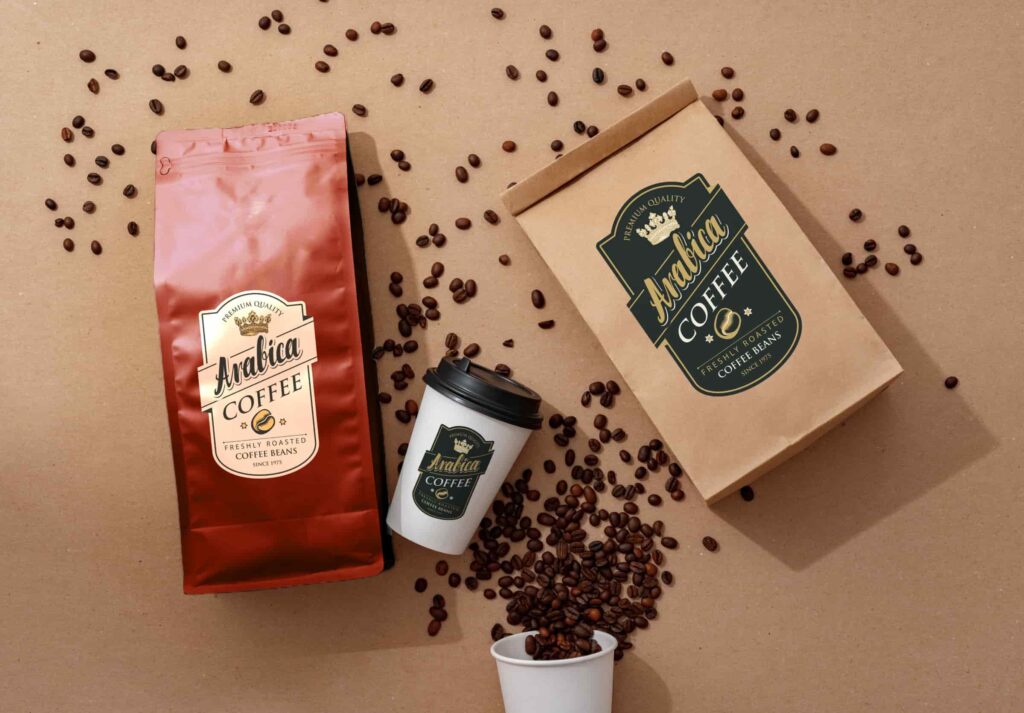
Paperboard Varnish and Environmental Recycling
When looking at the full lifecycle of packaging, paperboard varnish is closely linked to environmental protection. There exists a key contradiction: on one hand, the varnish coating improves packaging durability and enables repeated use, which complies with the waste reduction principle. On the other hand, traditional varnish may interfere with hydropulping, the mainstream recycling process for waste paperboard.
During waste paperboard pulping, paper fibers are supposed to separate fully to produce new pulp. Nevertheless, continuous plastic-like films or residual coating fragments from certain varnishes will block screening procedures and form stickies in pulp, contaminating recycled paper and disrupting production equipment.
Modern water-based varnish and new-generation UV-curable varnish are formulated to be dispersible or breakable in water for better compatibility with recycling systems. Great attention is also paid to the migration of substances such as mineral oil saturated hydrocarbons in varnish, to eliminate potential risks to food and recycled fiber products.
Evaluating the environmental impact of paperboard varnish requires analyzing the interaction between technical formulas and post-use processing systems. A comprehensive lifecycle assessment is essential, covering raw material sourcing, energy consumption during production, service performance, recyclability and biodegradability. Current technological innovations focus on developing bio-based varnish, upgrading water-based coating performance and designing coatings that are easier to remove in recycling.
Overall, as a key interface material connecting packaging industry and circular economy, paperboard varnish has evolved from focusing only on decoration and protection to balancing multi-dimensional performance and environmental benefits. Future progress relies on cross-industry innovation across material chemistry, packaging engineering and waste treatment. The goal is to retain essential packaging functions while making coatings a positive driver for closed-loop recycling of paper packaging. The proper selection and application of varnish have gone beyond packaging itself, touching upon the core issue of resource efficiency in modern consumption.
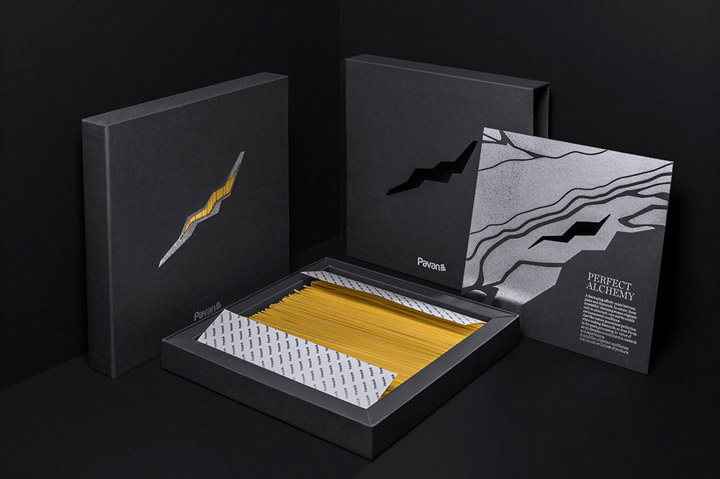
Tips to Reduce Potential Safety Risks
To further guarantee food safety for consumers, the following measures can be taken to lower potential risks of varnish:
Adopt qualified varnish products. Choose certified and inspected varnish that complies with relevant standards.
Avoid improper use in catering premises. Improper application may cause varnish to react with other chemicals and harm human health.
Avoid excessive heating. High temperature may decompose varnish and release harmful substances.